
Social media has become one of the most powerful marketing tools for small businesses. Whether you own a salon, online store, restaurant, construction company, or service-based business, platforms like Facebook, Instagram, TikTok, LinkedIn, and WhatsApp can help you reach new customers, build trust, and grow your brand online.
Today, billions of people spend hours daily on social media platforms, making social media marketing an essential part of any modern business strategy. However, many small business owners struggle with questions like:
The truth is that social media marketing can produce incredible results when done correctly. From increasing brand awareness to generating leads and boosting sales, the right strategy can help small businesses compete effectively in today’s digital world.
Over the years, we’ve seen many local businesses improve their online presence simply by posting consistently, engaging with their audience, and creating valuable content tailored to their customers. Even without a massive advertising budget, small businesses can still grow significantly using the right social media strategies.
In this guide, we’ll share 10 powerful social media marketing tips for small businesses, including practical strategies, content ideas, engagement techniques, and tools that can help you grow your business online in 2026 and beyond.
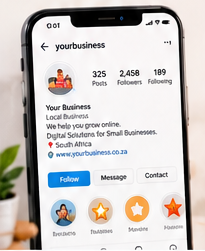
Your social media profile is often the first impression potential customers will have of your business. A professional and well-optimized profile helps build trust, improve credibility, and encourage people to engage with your brand.
Many businesses make the mistake of creating social media accounts without fully completing their profiles. Missing information, poor-quality images, or inconsistent branding can make a business appear unprofessional and reduce customer confidence.
To create a strong social media presence, make sure your profiles include:
Your business bio should clearly explain what your company does and how you help customers. Keep it simple, direct, and easy to understand.
For example, instead of writing:
“Helping businesses grow.”
You could write:
“We help small businesses grow through website design, social media marketing, and digital branding solutions.”
It is also important to use keywords naturally within your profile descriptions. This can improve your discoverability on both social media platforms and search engines.
Another important step is using platform-specific features. Facebook and Instagram business pages allow businesses to add action buttons such as:
- Call Now
- Send WhatsApp Message
- Book Now
- Learn More
These features can help increase customer engagement and generate more leads directly from your social media profiles.
Consistency is equally important. Your logos, colors, business descriptions, and messaging should remain consistent across Facebook, Instagram, LinkedIn, TikTok, and other platforms. Consistent branding helps customers recognize and remember your business more easily.
Optimizing your social media profiles may seem simple, but it creates the foundation for successful social media marketing and helps your business appear more trustworthy and professional online.
One of the biggest mistakes businesses make on social media is only posting promotional content. Constantly trying to sell products or services can quickly make followers lose interest.
Successful social media marketing is about providing value to your audience while building trust and relationships over time.
Instead of only posting advertisements, businesses should create a balanced mix of content that educates, entertains, inspires, and informs their audience.
A strong content strategy may include:
- Educational tips
- Behind-the-scenes content
- Customer testimonials
- Product demonstrations
- Frequently asked questions
- Industry news
- Inspirational posts
- Team highlights
- Short-form videos
- Interactive polls and questions
This variety keeps your audience engaged and helps your brand feel more authentic and relatable.
Video content has become especially important in modern social media marketing. Platforms like Instagram, TikTok, Facebook, and YouTube are heavily prioritizing short-form video content because users spend more time engaging with videos than static images.
Businesses that consistently create videos often experience:
- Higher engagement
- Increased reach
- Better audience retention
- More shares and saves
- Improved brand visibility
You do not need expensive equipment to create effective content. Many successful small businesses use smartphones, natural lighting, and simple editing apps to create engaging videos for social media.
Another effective strategy is sharing behind-the-scenes content. Customers enjoy seeing the people behind a business because it creates transparency and builds trust.
For example, you can share:
- Packaging customer orders
- Preparing products
- Team activities
- Office setups
- Daily business operations
- Before-and-after transformations
This type of content humanizes your brand and helps customers feel more connected to your business.
It is also important to create content specifically for each platform instead of posting the exact same content everywhere. What works on TikTok may not perform the same way on LinkedIn or Facebook.
By creating valuable, diverse, and platform-specific content, small businesses can improve engagement, grow their audience, and build stronger relationships with potential customers online.
3. Use Hashtags Strategically
Hashtags remain an important part of social media marketing because they help improve content visibility and make posts easier to discover.
However, many businesses either use too many hashtags or use hashtags that are too broad and highly competitive.
A smarter approach is to combine:
- Niche hashtags
- Industry hashtags
- Location-based hashtags
- Branded hashtags
- Moderate-volume hashtags
For example, a beauty salon in Johannesburg may benefit more from hashtags like:
- #JohannesburgSalon
- #SouthAfricaBeauty
- #NailTechSA
instead of only using extremely competitive hashtags like:
- #Beauty
- #Fashion
- #Makeup
Using more targeted hashtags helps businesses reach audiences that are more likely to engage with their content or become customers.
It is also important to avoid using irrelevant or misleading hashtags simply because they are trending. Social media algorithms have become smarter, and irrelevant hashtags can negatively affect content performance.
Before using hashtags, research what competitors and businesses in your industry are using successfully. You can also test different hashtag combinations to see which ones generate the best engagement and reach.
Hashtag strategies may vary between platforms. Instagram and TikTok rely more heavily on hashtags for discoverability, while platforms like Facebook and LinkedIn often require fewer hashtags.
When used correctly, hashtags can help small businesses increase visibility, attract targeted audiences, and improve overall social media engagement.
4. Engage With Your Audience Consistently
Social media is not only about posting content — it is also about building relationships. One of the biggest reasons many businesses fail to grow online is because they treat social media like a billboard instead of a conversation.
Customers want to interact with businesses that feel approachable, responsive, and genuine. When people comment on your posts, ask questions, or send direct messages, they expect a response within a reasonable time.
Responding to your audience consistently can help:
- Build customer trust
- Improve brand loyalty
- Increase engagement
- Encourage repeat customers
- Improve your visibility on social media platforms
Social media algorithms often reward engagement. The more interactions your posts receive, the more likely your content is to be shown to additional users.
Simple actions such as:
- Replying to comments
- Reacting to messages
- Answering questions
- Thanking customers
- Responding to reviews
can make a major difference in how customers perceive your business.
It is also important to maintain a professional and friendly tone when communicating online. Even when dealing with complaints or negative feedback, businesses should remain calm, respectful, and solution-focused.
Many customers judge a business not only by its products or services, but also by how it communicates publicly on social media.
Another effective engagement strategy is creating interactive content. Asking questions, posting polls, using quizzes, or encouraging users to share opinions can increase interaction and make followers feel more involved with your brand.
For example, a clothing brand could ask:
“What color should we launch next?”
A restaurant could ask:
“What is your favorite meal on our menu?”
These small interactions encourage participation and help businesses better understand their audience preferences.
Consistency in engagement helps create stronger relationships with followers and turns social media audiences into loyal communities over time.
5. Maintain a Consistent Posting Schedule
Consistency is one of the most important factors in successful social media marketing. Many small businesses post actively for a few days and then disappear for weeks, which can slow down growth and reduce audience engagement.
Posting consistently helps keep your business visible and reminds your audience that your brand is active and reliable.
Social media platforms also tend to favor accounts that post regularly because consistent activity signals that the account is providing fresh content to users.
However, consistency does not mean posting excessively. Quality is far more important than quantity.
Instead of posting several low-quality posts every day, focus on creating valuable and engaging content on a realistic schedule you can maintain long-term.
For many small businesses, posting:
- 3 to 5 times per week
- daily Instagram Stories
- weekly short-form videos
can already produce strong results when done consistently.
Creating a content calendar can help businesses stay organized and avoid last-minute posting. A content calendar allows you to plan:
- Topics
- Captions
- Promotions
- Holidays
- Product launches
- Video ideas
- Educational content
Planning content in advance also reduces stress and helps maintain a more professional online presence.
Scheduling tools such as Meta Business Suite or Buffer can make this process easier by allowing businesses to prepare content ahead of time.
Consistency should also apply to your brand voice and visual style. Using consistent colors, fonts, logos, and messaging helps strengthen your brand identity and makes your content easier to recognize online.
Building a strong social media presence takes time, patience, and consistency. Businesses that remain active and committed often see better long-term growth than those constantly starting and stopping.
6. Track Your Performance and Learn From Analytics
One of the biggest advantages of digital marketing is the ability to measure performance. Social media analytics provide valuable insights that can help businesses understand what is working and what needs improvement.
Without tracking performance, businesses are simply guessing.
Most social media platforms provide built-in analytics tools that show important information such as:
- Post reach
- Engagement rates
- Follower growth
- Video views
- Website clicks
- Audience demographics
- Content performance
These insights can help businesses create smarter marketing strategies based on real data instead of assumptions.
For example, if video content consistently performs better than image posts, it may be beneficial to invest more time into creating short-form videos.
If posts published in the evening receive more engagement than morning posts, businesses can adjust their posting schedule accordingly.
Tracking analytics also helps identify which platforms are producing the best results. Some businesses may discover that Instagram generates more engagement, while Facebook drives more inquiries or website traffic.
Important metrics to monitor include:
- Engagement rate
- Reach and impressions
- Link clicks
- Shares and saves
- Audience growth
- Conversion rates
Businesses should avoid focusing only on follower counts. Having thousands of followers means very little if the audience is not engaging or converting into customers.
Instead, focus on building an active audience that genuinely interacts with your content and supports your business.
Reviewing analytics regularly allows businesses to improve their strategy over time and make more informed marketing decisions.
7. Take Advantage of New Social Media Features
Social media platforms constantly introduce new features to keep users engaged. Businesses that adapt quickly to these changes often gain an advantage over competitors who continue using outdated strategies.
In recent years, platforms like Instagram, Facebook, TikTok, and LinkedIn have shifted heavily toward:
- Short-form videos
- Stories
- Live content
- Interactive features
- AI-powered recommendations
As a result, businesses that embrace these features usually experience better reach and engagement.
Instagram Reels, Facebook Reels, TikTok videos, and YouTube Shorts have become some of the most effective content formats for increasing visibility online. These platforms actively promote video content because users spend more time watching videos than viewing static images.
Businesses can use short-form videos to:
- Showcase products
- Share tutorials
- Answer customer questions
- Show behind-the-scenes content
- Share tips and advice
- Highlight customer testimonials
Live streaming is another powerful feature that businesses can use to connect with audiences in real time. Going live allows businesses to interact directly with followers, answer questions instantly, and build stronger customer relationships.
Stories are also highly effective because they create urgency and encourage frequent engagement. Businesses can use Stories to:
- Share updates
- Promote limited offers
- Conduct polls
- Share daily activities
- Post quick announcements
Experimenting with new features can help businesses discover new ways to connect with their audience and improve content performance.
Social media trends continue evolving, so businesses that stay adaptable and open to change are more likely to remain competitive in the long run.
8. Invest in Video Content
Video content has become one of the most powerful tools in social media marketing. Across almost every major platform, videos consistently generate more engagement, reach, and shares compared to text or image posts.
Many users now prefer watching short videos instead of reading long captions or viewing static graphics.
For small businesses, video content creates opportunities to:
- Explain products or services
- Build trust
- Increase brand awareness
- Improve engagement
- Reach new audiences organically
One of the biggest advantages of video marketing is that it helps businesses appear more authentic and relatable. Customers often connect more easily with businesses when they can see the people, products, and processes behind the brand.
Fortunately, creating video content no longer requires expensive cameras or professional studios. Many successful businesses use smartphones, simple lighting setups, and free editing apps to create highly engaging videos.
Some effective video ideas for small businesses include:
- Product demonstrations
- Customer testimonials
- Behind-the-scenes videos
- Frequently asked questions
- Day-in-the-life content
- Educational tips
- Before-and-after transformations
Short-form videos are especially effective because they are designed for quick consumption and high engagement. Videos between 15 and 60 seconds often perform very well on platforms like TikTok, Instagram Reels, and Facebook Reels.
Adding captions to videos is also important because many users watch videos without sound.
Consistency is key when it comes to video marketing. Businesses that post video content regularly often experience faster audience growth and stronger engagement over time.
Even simple videos can produce excellent results when they provide value, solve problems, or entertain the audience.
9. Use Strong Calls-to-Action (CTAs)
A common mistake businesses make on social media is creating content without guiding users toward the next step.
This is where calls-to-action become important.
A call-to-action, commonly known as a CTA, encourages users to take a specific action after viewing your content.
Examples include:
- Visit our website
- Send us a WhatsApp message
- Shop now
- Book your appointment
- Learn more
- Contact us today
- Follow for more tips
Strong CTAs help increase engagement, website traffic, inquiries, and conversions.
Without clear direction, users may enjoy your content but never take meaningful action.
CTAs should feel natural and relevant to the content being shared. For example, if you post educational content about social media marketing, you can encourage readers to contact you for professional marketing assistance.
Businesses should also make it easy for users to take action by including:
- Website links
- WhatsApp buttons
- Booking links
- Contact information
Instagram users can utilize the “link in bio” feature, while Facebook pages allow businesses to add action buttons directly to their profiles.
Testing different CTAs can also help businesses identify which messages generate the best response from their audience.
Simple adjustments in wording can sometimes lead to significant improvements in engagement and conversions.
10. Build Trust With Reviews and Customer Testimonials
Trust plays a major role in online purchasing decisions. Before buying products or choosing services, many customers first look for reviews, testimonials, and proof that a business is reliable.
This is why customer feedback is so valuable for social media marketing.
Positive reviews and testimonials help:
- Build credibility
- Increase trust
- Improve brand reputation
- Encourage new customers
- Strengthen customer confidence
Sharing customer experiences on social media acts as social proof and shows potential customers that real people are benefiting from your products or services.
Businesses can share:
- Written testimonials
- Video testimonials
- Customer reviews
- Before-and-after results
- User-generated content
Encouraging satisfied customers to leave reviews on platforms like Facebook and Google can also improve your online reputation.
Even negative feedback can become an opportunity for growth when handled professionally. Responding respectfully to complaints demonstrates accountability and shows customers that your business values customer satisfaction.
Transparency and authenticity are extremely important in today’s digital environment. Customers are more likely to support businesses that appear genuine, responsive, and trustworthy.
Over time, strong customer relationships and positive reviews can become one of the most powerful marketing assets for your business.
Common Social Media Marketing Mistakes Small Businesses Should Avoid
Many small businesses struggle with social media marketing not because social media doesn’t work, but because they make a few common mistakes that limit their growth and engagement.
1. Posting Inconsistently
One of the biggest mistakes businesses make is posting randomly. Consistency helps your audience remember your brand and improves your visibility on social media platforms.
2. Only Posting Promotional Content
If every post is trying to sell something, people may lose interest. Social media should also educate, entertain, inspire, and build relationships with your audience.
3. Ignoring Comments and Messages
Customers expect businesses to respond quickly on social media. Ignoring comments and direct messages can damage trust and reduce engagement.
4. Using Poor Quality Images or Videos
Visual content plays a major role in social media marketing. Low-quality visuals can make your business appear unprofessional.
5. Not Using Video Content
Short-form videos such as Instagram Reels, TikTok videos, and Facebook Reels currently generate some of the highest engagement rates on social media.
6. Posting Without a Strategy
Successful businesses don’t post randomly. They create content plans, understand their audience, and post with clear goals in mind.
7. Ignoring Analytics
Social media platforms provide valuable insights that help businesses understand what content performs best. Ignoring analytics makes it difficult to improve your strategy.
8. Not Including Calls-to-Action
Every post should guide users toward an action, whether it’s visiting your website, sending a message, booking a service, or making a purchase.
Avoiding these mistakes can significantly improve your social media performance and help your business grow faster online.
Best Social Media Tools for Small Businesses
Using the right tools can make social media marketing easier, faster, and more effective. Here are some of the best social media tools small businesses can use to manage their online presence.
Canva
Canva is an excellent design tool for creating professional social media graphics, flyers, presentations, and marketing materials, even if you have no graphic design experience.
Meta Business Suite
Meta Business Suite allows businesses to manage Facebook and Instagram accounts in one place. You can schedule posts, reply to messages, monitor performance, and run ads directly from the platform.
CapCut
CapCut is one of the most popular video editing apps for creating short-form video content for Instagram Reels, TikTok, Facebook Reels, and YouTube Shorts.
Buffer
Buffer helps businesses schedule and manage social media posts across multiple platforms, making content planning much easier.
Google Analytics
Google Analytics helps you track website traffic from social media and understand how visitors interact with your website.
ChatGPT
AI tools like ChatGPT can help businesses generate content ideas, captions, blog outlines, hashtag suggestions, and marketing strategies more efficiently.
By using these tools, small businesses can save time, improve content quality, and manage their social media marketing more effectively.
Frequently Asked Questions About Social Media Marketing for Small Businesses
Which social media platform is best for small businesses?
The best platform depends on your business type and target audience. Facebook and Instagram are excellent for most local businesses, while LinkedIn works well for B2B companies. TikTok is ideal for businesses targeting younger audiences with video content.
How often should small businesses post on social media?
Consistency is more important than frequency. Many small businesses see good results by posting 3 to 5 times per week consistently.
Is social media marketing free?
Creating social media accounts is free, and businesses can grow organically through content creation and engagement. However, paid advertising can help businesses reach more people faster.
How long does social media marketing take to work?
Social media marketing is a long-term strategy. Some businesses may see results within a few weeks, while others may take several months to build a strong online presence and audience.
Should small businesses use paid ads?
Yes. Even a small advertising budget can help increase reach, website traffic, lead generation, and sales when targeted correctly.
What type of content performs best on social media?
Video content, behind-the-scenes content, educational posts, customer testimonials, and interactive content such as polls and questions often perform very well.
Why is engagement important on social media?
Engagement helps businesses build trust and relationships with their audience. Platforms also tend to show highly engaging content to more people.
Can social media help small businesses get more customers?
Absolutely. Social media helps businesses increase visibility, attract potential customers, build trust, and drive traffic to websites, WhatsApp, or physical stores.

Leave a Reply